 Bobby Irven is a private tutor who specializes in Mandarin Chinese, ESL, the humanities, virtual learning, research and special education. He is also proficient in a variety of digital design and communications software, as well as recently leveraging online and application based tools to collaborate, learn and communicate. He has traveled and worked around the world, and currently works at a large international nonprofit doing communications for the poverty eradication team. He has over a decade of experience working with students of all ages in small classroom settings and private tutoring.
Bobby Irven earned his B.A. in Chinese Studies and Political Science at Rutgers University, and then continued his education, receiving an M.A. in International Development from Chulalongkorn University in Bangkok, Thailand, and conducted his thesis research in Dhaka, Bangladesh.
He is passionate about bringing a unique teaching style to each student interaction in order to ensure no one is left behind, and has worked with a wide variety of students, from recently arrived refugees to children with special needs. Bobby Irven loves combining new or alternative resources to complement traditional methods. This includes sessions or a focus on executive functioning: ensuring students are using the tools, technology and resources available to succeed in and out of the classroom.
When he is not traveling around the world to various work field sites or helping his students, Bobby enjoys playing competitive volleyball, advocating for social justice, scuba diving, and learning new languages and cultures. You might even catch him in a dance class or two!
 Dan Muro is a
  This is a question that doesn’t always have a quick answer. An Individualized Education Plan (IEP) provides specialized instruction so that a student can access the general education curriculum
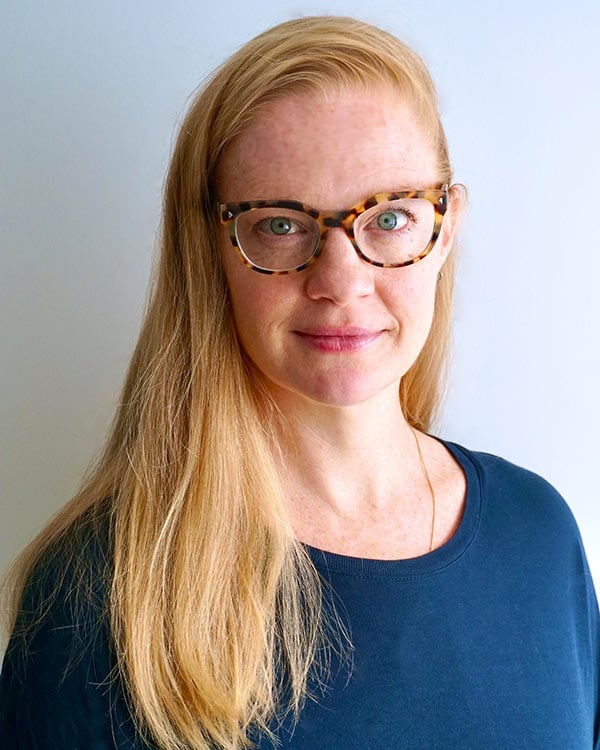 Vanessa Khemlani is a NYS-certified teacher with a dual master’s degree in early childhood education and early childhood special education. Vanessa cares deeply about child development and how best to support growth and learning at every stage. For over eighteen years, she has worked in classrooms and homes in New York City, Long Island, and Lower Westchester. She specializes in cooperative learning, supportive interventions, multi-sensory lesson plans, differentiated instruction, organizational skills, social / emotional skill development, literacy instruction, and classroom curriculum support for early childhood and elementary school students.
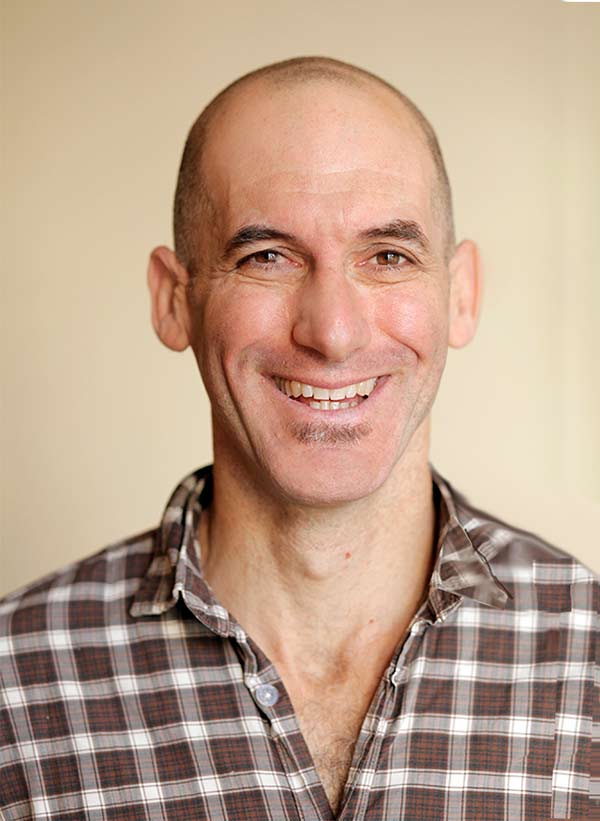 Starting as an international outdoor adventure guide, Otis Kriegel made his way to the classroom afterwards and has been teaching and