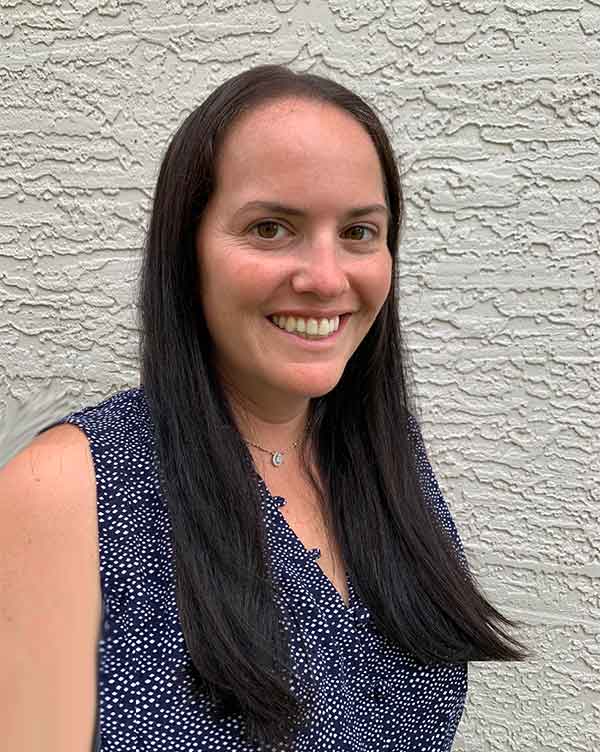
 Pamela Burns’s passion for elementary education is realized every day as a Kindergarten teacher at a public school in Boca Raton, Florida, were she is the team leader for kindergarten. She has successfully worked with a wide range of students from primary through intermediate grades across the Boca Raton area.
A native of West Bloomfield, Michigan, Pamela moved to Boca Raton, Florida for college and found her new home in the Sunshine State. She graduated Suma Cum Laude from Lynn University with a Bachelor’s degree in Early Childhood and Elementary Education and a Master’s degree in Special Education. Pamela serves as a faculty adviser on the school’s technology committee and models lessons for her colleagues as a Level 1 Google certified teacher. Pamela has also worked with Jane Olsen, creator of Handwriting Without Tears, to create documents that can be interactive on SMART technologies.
Pamela Burns is an expert at differentiating instruction to meet the needs of all learners. She is experienced at designing readers’ and writers’ workshop lessons that promote balanced literacy, student engagement, and strategy-based instruction. Pamela’s lessons integrate decoding, fluency, comprehension, vocabulary development, critical thinking, response writing and spelling. Pamela is trained in Orton-Gillingham and The Hochman writing process. Pamela is also skilled at teaching math to younger learners through a hands-on and experiential approach. Through use of various manipulatives, TouchMath and other programs, Pamela helps students to develop improved number sense, quantitative reasoning, and problem solving strategies.
Pamela’s high energy and enthusiasm for learning is contagious! In the words of Mark Twain, “It is noble to teach oneself, but still nobler to teach others.” Pamela creates magic in the classroom every day and helps every student to feel special, valued and connected.
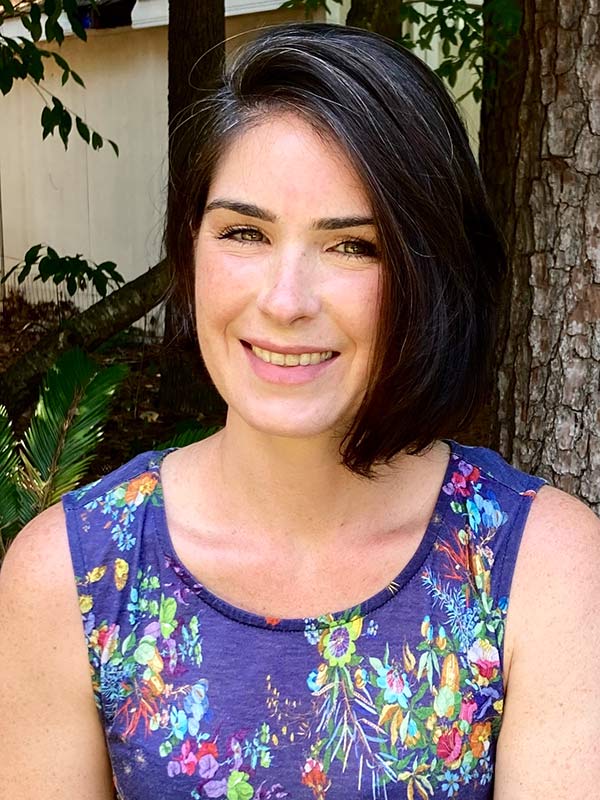 Christie Alexander, a compassionate teacher and
  Sam Kleinman is a
  In 2015, the ACT essay section was revised to include more challenging writing prompts. And yet, as a tutor for the ACT, I find the revised format provides more ways to simplify the writing process. Every essay that a student writes for the ACT requires
  Summer reading is a perennial rite of passage for school-age children. Some kids rush their parents to a local books store or online to Amazon the moment their school’s list is released; others would prefer for that piece of paper to stay crushed in the bottom of a backpack. But whether they like it or not, students of every age find themselves assigned at least one required book—if not three or five or seven—to keep them company in the warmer months.