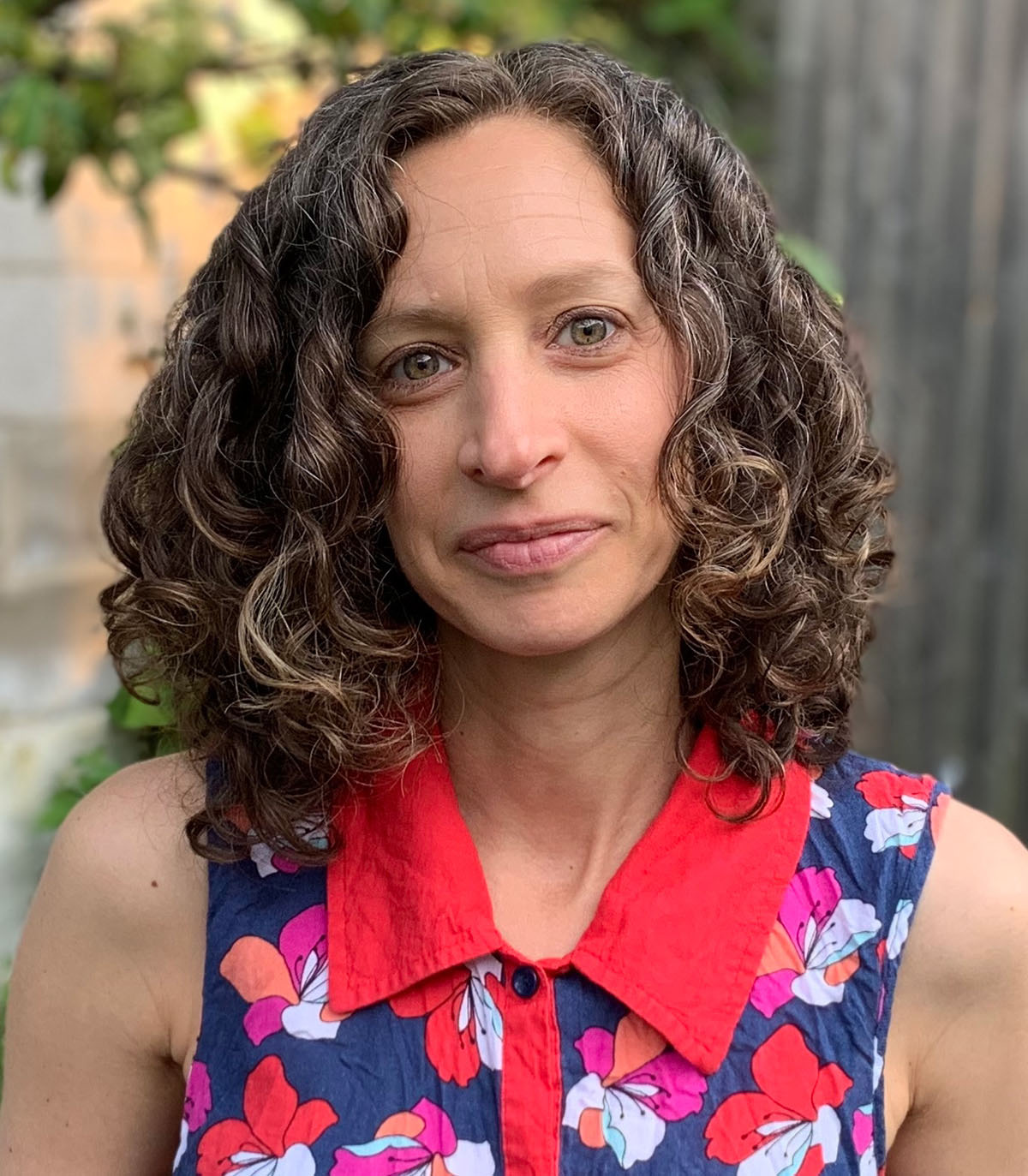
 Rachel Levinsky has been an educator for over 20 magical years. She has been a New York City public school educator for 18 years, and has also taught in Chile, Egypt, Taiwan, and Shanghai.
Rachel’s undergraduate studies at Colorado College, graduate work at Columbia University’s Teacher College for a master’s in curriculum development, Hunter College for certification in administration, and Hamline University for a master’s in TESOL have prepared her with the skills to plan tailored curriculum for specific student needs. Rachel has two sons and the family enjoys hiking, camping, traveling, and lots of baking. The house is always filled with the scent of someone’s cooking project and the walls are lined with everyone’s favorite books. Rachel loves incorporating these interests into her teaching, often teaching fractions through baking or sewing projects, or working on writing skills by creating plays. No matter what your child’s interests are, Rachel will find a way to include those special assets in their work together.
Rachel Levinsky has teaching and private tutoring experience with all elementary ages and also taught middle school for eleven years. Rachel has been a classroom teacher, English as a New Language teacher, and an interventionist, supporting struggling learners in reading, writing, or math. Teaching so many different subjects and students has helped Rachel develop a facility with adapting to any new learning environment and meeting any student’s needs accordingly. Rachel always incorporates games and projects so that learning is fun and engaging.
Rachel works to light the spark that leads to a lifelong love of reading. Matching children to the perfect book series is a particular joy. Rachel has a wide library of books for all levels of readers. She is trained in Heggerty, Sounds in Motion, and works with a Bank Street literacy initiative. All of these programs develop children’s phonemic awareness, as hearing the sounds that compose our words is the basis for reading. Rachel is also trained in Fundations and SPIRE, two Orton-Gillingham based programs that systematically develop phonics. Rachel also has 18 years of experience teaching with the Teachers College Reading and Writing units of study to develop reading comprehension.
Rachel is currently using the Illustrative Math program, a constructivist program that provides multiple opportunities for learners to build number sense through games and problem solving. She also has experience with Engage Math. Rachel works to build students’ confidence in math through games to develop number sense and applying literacy skills to understanding word problems.
Rachel has experience preparing students for the NYSESLAT test (a test that measures English language proficiency in New York State), the New York State ELA test, and the New York State Math test.
Rachel believes in asset-minded teaching, harnessing your child’s strengths to approach the areas of struggle. With engaging activities and games, your children will develop a growth mindset, understanding that while certain skills might be challenging for them now, they are always making progress.

 For students who are experiencing mental health challenges that require specialized care in a residential school environment, therapeutic boarding schools can provide the more intensive and integrated support that they need. At therapeutic boarding schools, students are provided with tools to help them navigate difficult emotional experiences, build resilience, work with their families, and prepare for the next steps in their lives. These schools offer individualized programming and clinically-based treatment options to meet students’ needs in a holistic manner. For students who experience clinically significant anxiety, depression, PTSD, attachment disorder, and other mental health challenges where treatment from home with local providers has not been enough, therapeutic boarding schools can be a critical stepping stone on the path to recovery where educators, residential faculty, and clinicians – including psychologists, social workers, and psychiatrists – work collaboratively as a multidisciplinary team in partnership with families. In this blog post, we talk to several administrators from therapeutic boarding schools across the United States to hear more about the specialized support these schools offer to students and their families.
 As literacy instruction has evolved, the proverbial pendulum has swung from the Bottom-Up approach, which includes a strong focus on phonics instruction, to the Top- Down approach, also known as Whole Language, where authentic literature became the focus. The former, largely popular in the years before the early 1980’s, was essentially built on the idea that literacy instruction at the elementary level should include the “building blocks” of language- grammar, rules, and letter/word family constructs particular to the English language. The philosophy here was that with this Bottom -Up theory, students would integrate the rules that they learned, the vocabulary, etc, and become proficient readers.

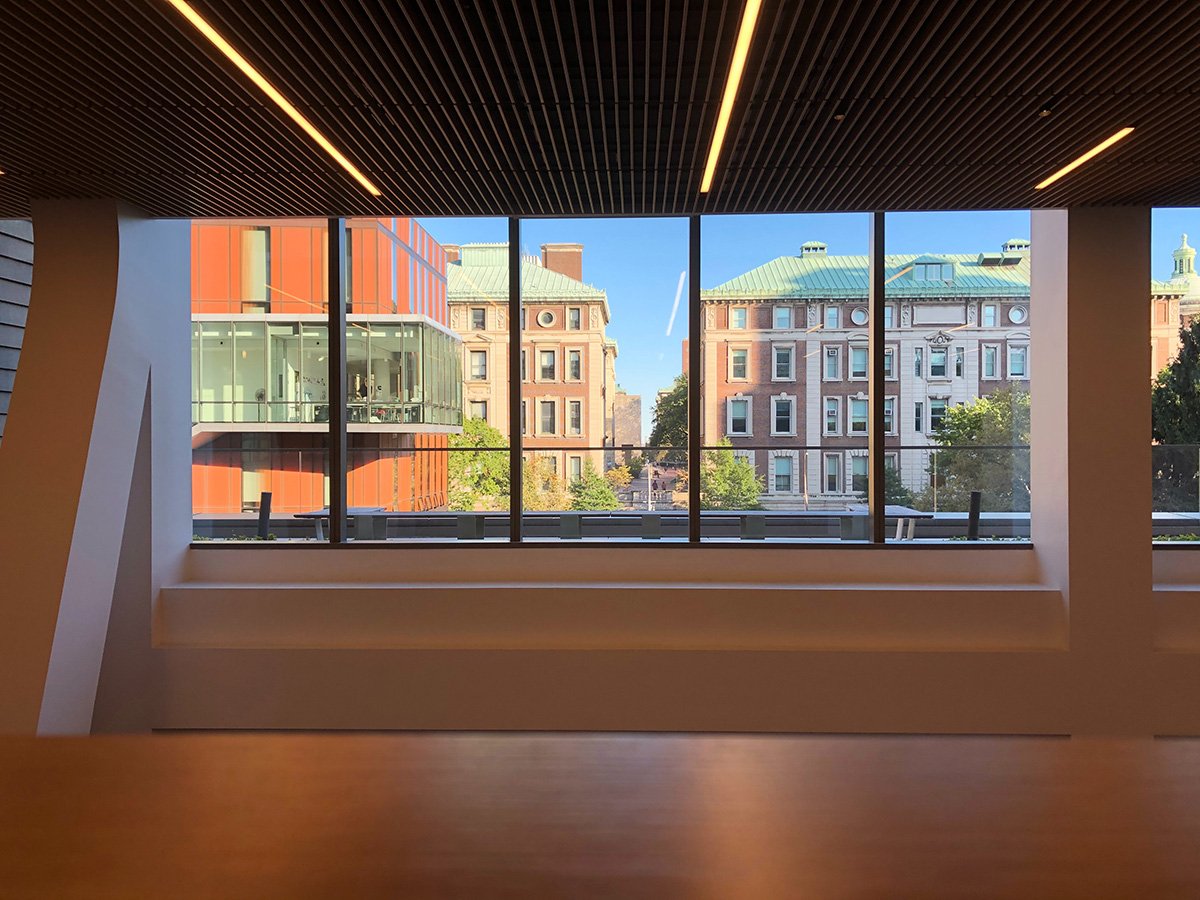 50 kids, 12 staff members. A college dorm full of high school students, and a city alive again after two-plus years of Covid disruption. What kind of alchemy occurs when you add, after two vacant summers, people back into the asphalt and steel, gardens and rivers of New York City? When communal living demands of and offers you new routines and a way out of routines you haven’t thought about in years? With