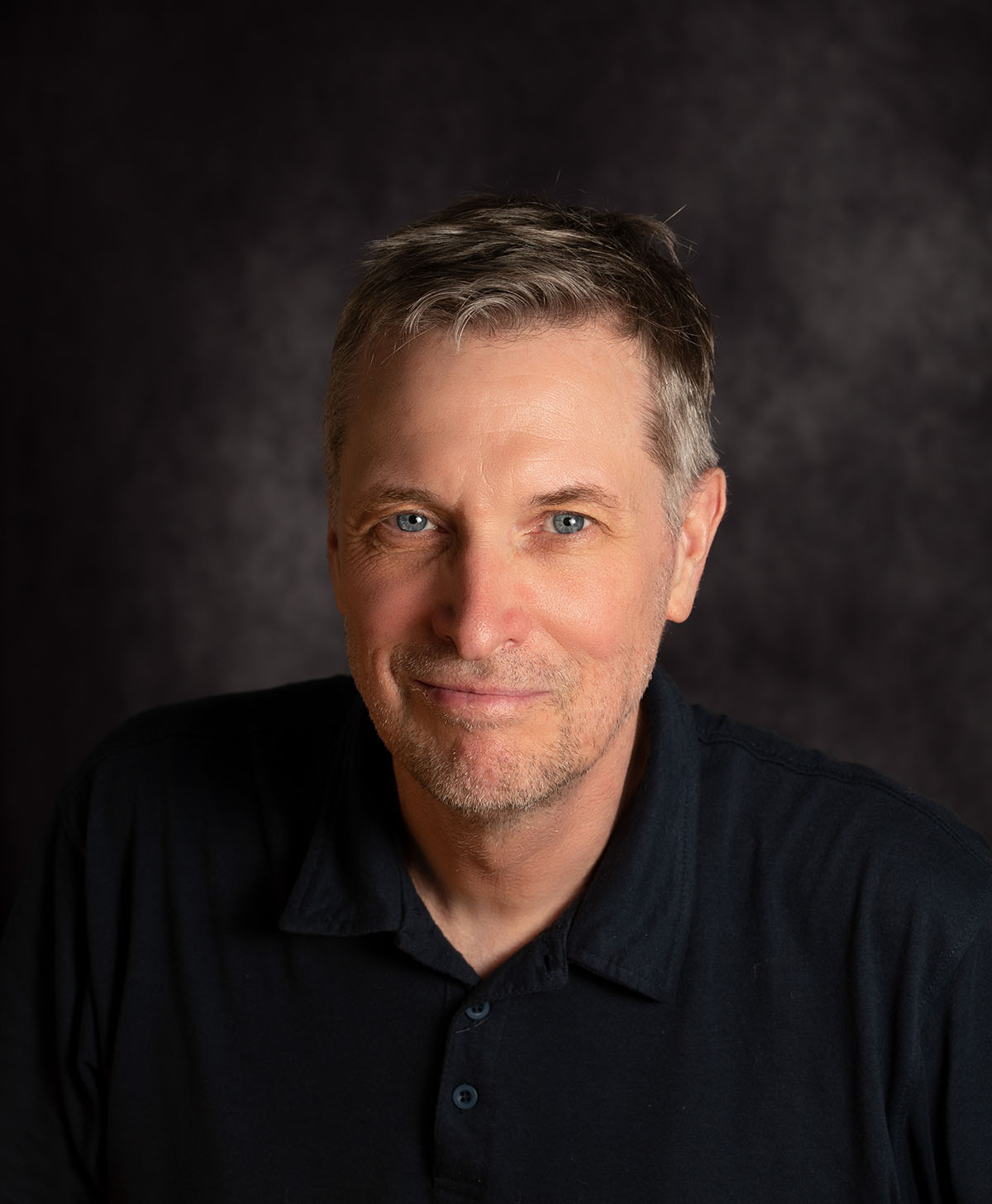
Lambert Gingras is a Master Teacher and Private Tutor specializing in the humanities and the French language, with more than twenty years of experience. He has led classes on ancient and pre-modern civilizations, modern world history, and American history, as well as electives on Latin American politics, American constitutional history, and domestic and global trends since 1989. His academic research has appeared in the American Journal of Legal History. As a language instructor, he has taught French (his mother tongue) at all levels of the middle and upper schools.
A native of Montréal, Lambert studied philosophy at Université de Montréal and political science at McGill University. After working as a sports writer covering amateur and professional cycling, freestyle skiing, and the occasional Grand Prix, he enrolled in the doctoral program in Government at Cornell University, where he gained expertise in the history of the Fourteenth Amendment while also researching indigenous struggles in Canada and Chile. He credits his field work among the Cree of Northern Québec and the Mapuche of central Chile for raising his cultural quotient and wanting to achieve the same with his students; the culturally aware students, he believes, will discover that there is often more than one valid way to organize society, fight poverty, punish crime – or, for that matter, live life – and that their understanding of others and of themselves was hitherto limited by a narrow perspective.
Lambert started out in education at Calhoun School, where he taught both French and social studies for six years. Then he moved to The Birch Wathen Lenox School, where he taught history for twelve years, followed by teaching roles at Poly Prep and the Professional Children’s School. He currently teaches French at KIPP NYC College Prep. He continues to privately tutor students across the humanities, including most history courses, introductory economics, research and writing coaching as well as French language at all levels.
In his free time, Lambert is a photography enthusiast and a hockey fan.
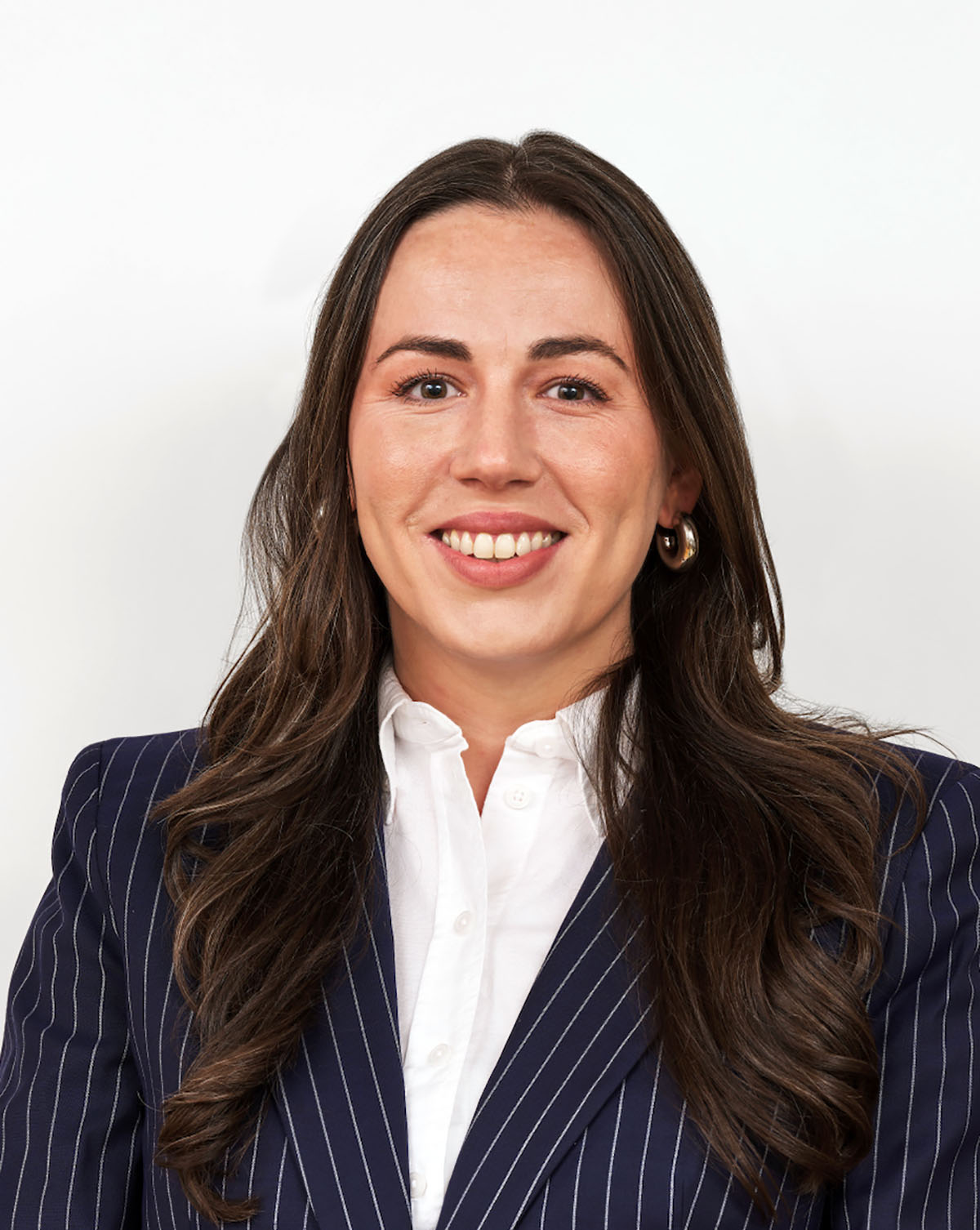 Jenna Denino is a dedicated teacher and
 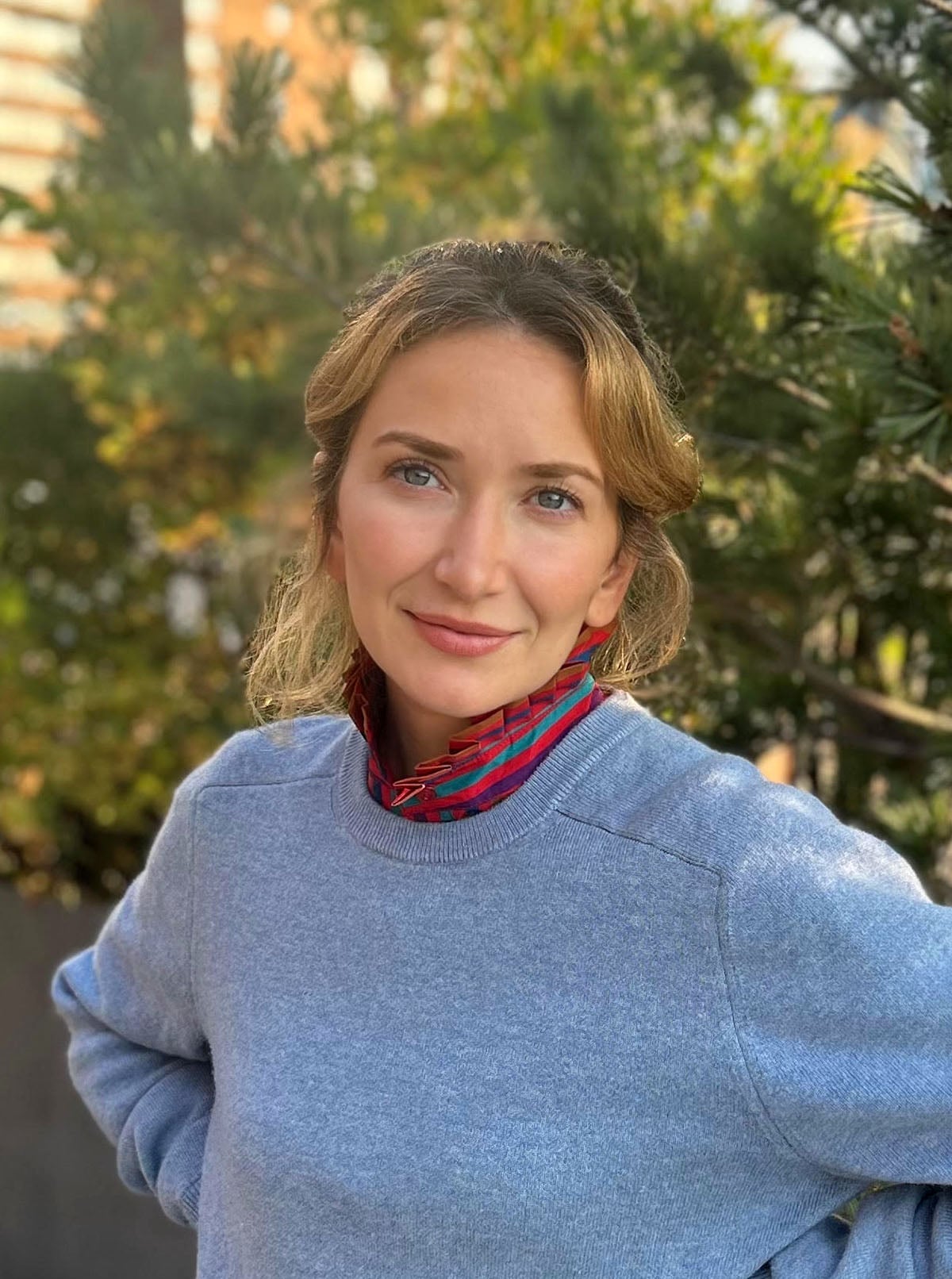 Brielle Corinne Babiar gives her students intellectual space, measured structure, and the confidence to trust their own thinking.
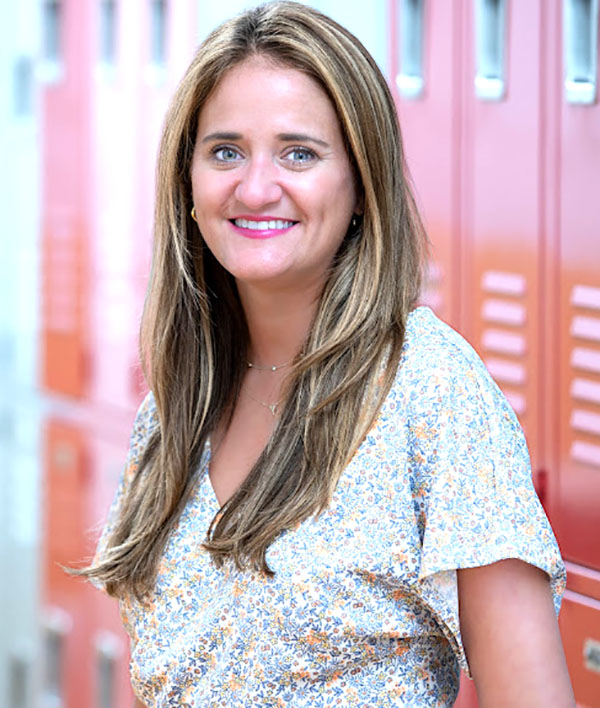 Dara Herschenfed is a seasoned educator with over 15 years of experience in the education field. She holds a Bachelor’s degree from Binghamton University (2007) and a Master’s degree in Education from Hunter College. Dara also holds a certification in Special Education, enabling her to work with students with
 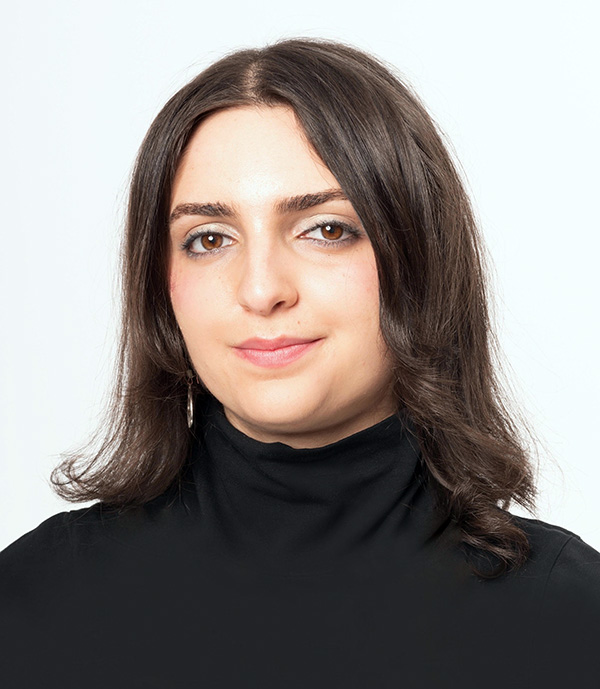 Jane Rosalyn is a Columbia graduate dedicated to inspiring, developing, and