 Is your child more hooked on the iPad than they are phonics? Well, you are not alone. This seems to be the case with many young children.
In fact, I have come to believe that a three year old would probably do a better job at navigating their way through an iPad than I can. Although children love up-and-coming technology, they are shying away from their educational needs such as reading and writing.
Because of this, the digital world has come up with a solution to this issue. Tablets, iPads and other mobile devices have games in which a child can play and learn at the same time! These educational games and activities are available for children of all ages and most can even be played without wireless. It is truly incredible what the techies of the world have done for us and our children.
Starting with children who are three to four years old, there are applications that will keep their attention as well as teach them information that they will need to know before entering kindergarten.
A few apps that many have found to be useful for these particular age groups are, “ABC Go”, “Fish School”, “Interactive Alphabet” and “Starfall ABC’s”.
These applications allow the child to explore the world of the alphabet and numbers in a way that is fun and user friendly. As children get older and enter the secondary grades in elementary school applications such as “BrainQuest”, “Geography Drive USA” and “Dot-to-Dot Adventure” can be helpful tools to use to get ready for middle school.
Students entering and enrolled in middle school are learning more difficult lessons and topics. These applications will help these children with essay writing and larger scale projects in which they might come in contact with during these grades: “Middle School Writing”, “MathBoard”, “Periodic Table of the Elements” and “MyCongress.”
So go on, let your child use your iPad or tablet. They’ll play games and have a great time, possibly without even knowing that they are really learning!
By Samantha Yanofsky, Private Tutor
 The week before Present Obama delivered his State of the Union address, Thomas Friedman suggested that Arne Duncan, secretary of Education had already given it. As Friedman Wrote in his column on January, 19th, “it was not a laundry list and it wasn’t a feel good speech.”
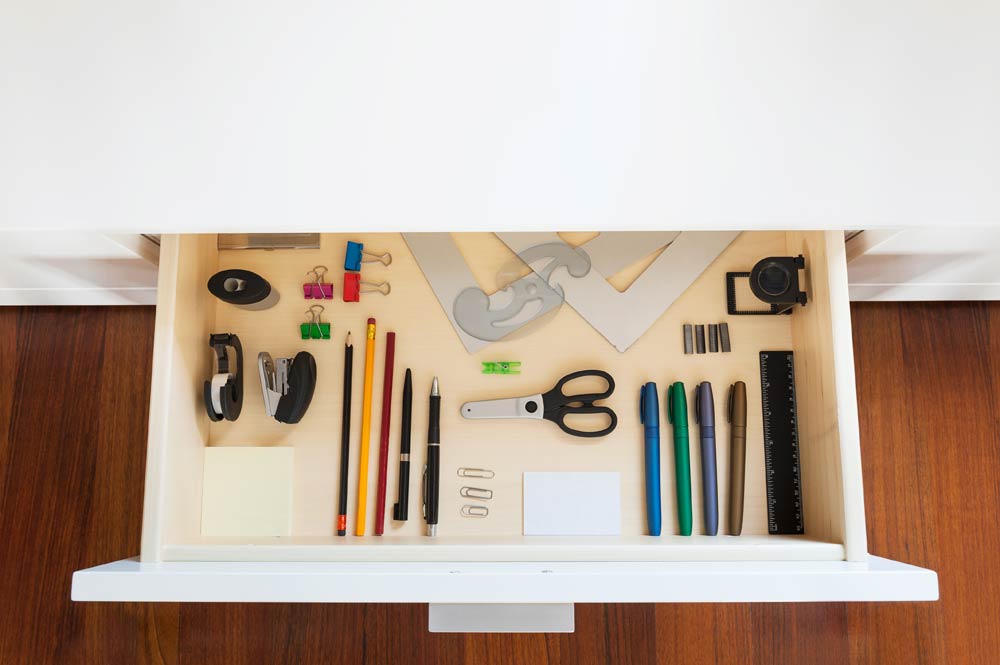
 When I think back to my childhood and what starting a new school year meant to me, it usually revolved around going school shopping to get the school supplies we thought we needed to have a successful school year. I recently read an article by David Valdes Greenwood in the
  ADD/ADHD is a controversial topic in education and psychology—some people accept it as a real problem that requires treatment (and sometimes medication) while others dismiss it, attributing ADD/ADHD to a lack of self-discipline. Or, put more simply, kids being kids.